Download a PDF copy of this article.
One of the biggest mistakes I made as a principal was believing that once the curriculum resources arrived, implementation would naturally follow. We had selected the resource, planned professional learning, ordered materials, and organized pacing guides. I thought we were ready.
Then the first day of school arrived.
Every teacher received the same curriculum, but no two teachers experienced it the same way. Some couldn’t wait to dive in. Others weren’t ready to let go of the lessons they had spent years developing. I watched veteran teachers, educators who knew their craft inside and out, suddenly feel like first-year teachers again.
That’s when my definition of implementation changed. Helping teachers learn the curriculum became just as important as introducing the curriculum itself.
We spend months preparing for new curriculum resources, but we don’t always prepare teachers for what it feels like to become learners again. It’s possible to be excited about new opportunities while also wondering if you’ll ever feel as confident as you once did. What we sometimes interpret as resistance is often the natural process of learning.
After working with hundreds of schools, I’ve become convinced that successful curriculum implementation has as much to do with supporting the people as it does with supporting the resource.
When we remember that teachers are becoming learners again, we lead implementation differently. We stop expecting perfection and start creating the conditions for growth. Here are three misconceptions that can make curriculum adoption more difficult than it needs to be, and ways principals and teacher teams can support one another instead.
What we sometimes interpret as resistance is often the natural process of learning.
Misconception #1: Teachers should be able to implement a new curriculum with fidelity from the first day of school.
When we adopt a new curriculum, we sometimes expect teachers to teach it as though they’ve been using it for years. But that’s not how learning works.
Teachers are learning the curriculum while they are teaching it. They’re discovering how lessons fit together, anticipating where students will struggle, learning which questions spark discussion, and figuring out how to make instructional decisions while staying true to the intent of the resource. That kind of expertise can’t be developed during a few professional learning days in August. It grows through experience, reflection, and collaboration throughout the school year.
Rather than expecting perfect implementation on day one, our goal should be helping teachers deeply understand the purpose and design of the curriculum so they can use it as intended while growing in confidence and skill.
Instead: Learn together.
Create time for teachers to unpack upcoming lessons, anticipate student misconceptions, preview assessments, share what’s working, and talk honestly about what’s not. Celebrate growth, not perfection. The fastest path to strong implementation is creating a culture where teachers learn from one another.
Ask: What are we learning about this curriculum as we use it with our students?
Misconception #2: If teachers helped choose the curriculum, they’ll trust it from day one.
Even when teachers are part of selecting a new curriculum, trust doesn’t happen overnight. Every educator brings years of experience, instructional routines, and lessons they’ve seen make a difference for students. It’s only natural to compare those experiences to something new.
As teachers implement the curriculum, collaborate with colleagues, and see how students respond, confidence begins to grow. Over time, the curriculum moves from being the new program to becoming our way of helping students learn.
Instead: Try together.
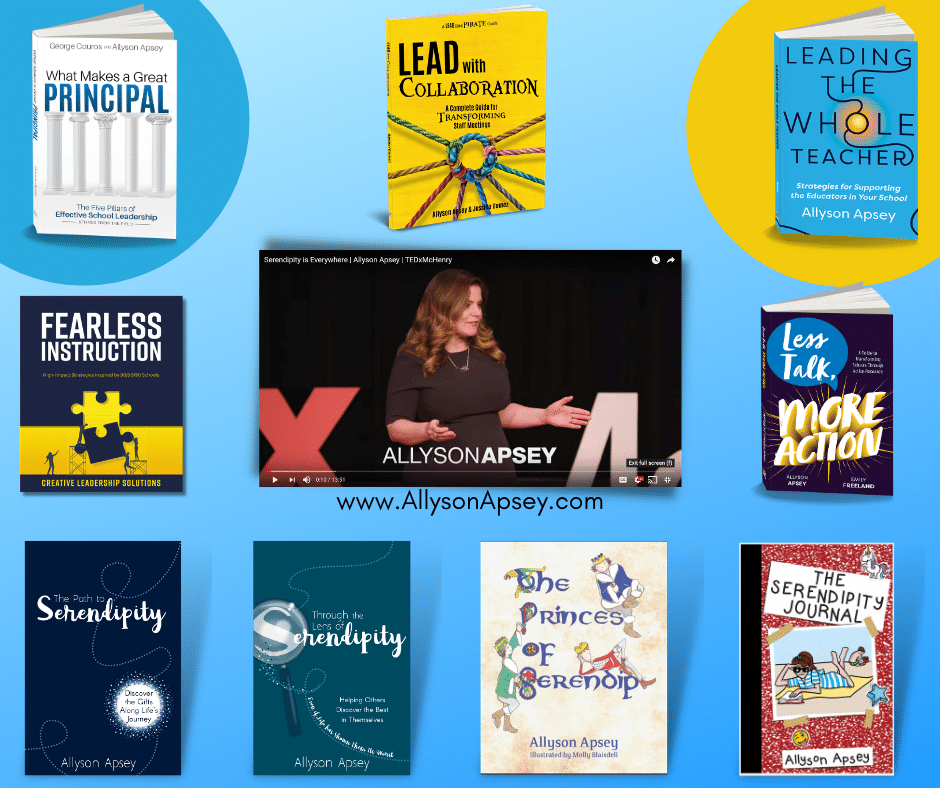
In Less Talk, More Action, Emily Freeland and I encourage schools to shift from seeking buy-in to creating opportunities for try-in. Rather than asking teachers to fully embrace every aspect of a new curriculum from day one, invite them to try one lesson, one instructional routine, or one strategy. Then come back together and ask:
- What happened?
- What did our students do?
- What did we learn?
Confidence and trust grow as teachers try new practices, learn together, and see the impact on students.
Ask: What have we tried, and what successes are we seeing with our students?
Misconception #3: A few days of professional learning is enough to prepare teachers to implement a new curriculum.
Professional learning at the beginning of the year is an important starting point. However, once students arrive, teachers begin asking new questions, responding to unexpected challenges, and discovering what the curriculum looks like with real students in front of them. That’s when the deepest learning begins.
The National Institute for Excellence in Teaching emphasizes that successful implementation depends on ongoing collaboration, curriculum-based coaching, and regular opportunities for teachers to learn together throughout the school year. In other words, implementation is a process, not an event.
Instead: Grow together.
Protect collaborative team time. Visit one another’s classrooms. Coach through challenges. Celebrate small successes. Create space for honest reflection. Those ongoing conversations help teachers strengthen their practice, build confidence, and support one another as they continue learning the curriculum together.
Ask: What did we learn this week that will help us teach this curriculum even better next week?
The first year with a new curriculum will bring moments of excitement, frustration, confidence, and uncertainty. That’s part of learning. One of the greatest gifts we can give teachers during curriculum implementation is permission to be learners again. When we say that out loud, create time to learn together, and celebrate growth along the way, confidence follows. A new curriculum is always easier to learn together.
One of the greatest gifts we can give teachers during curriculum implementation is permission to be learners again.
References:
National Institute for Excellence in Teaching. (2020). High-Quality curriculum implementation: Connecting what to teach with how to teach it.
National Institute for Excellence in Teaching. (2020). High-quality curriculum implementation recommendations.